Seals
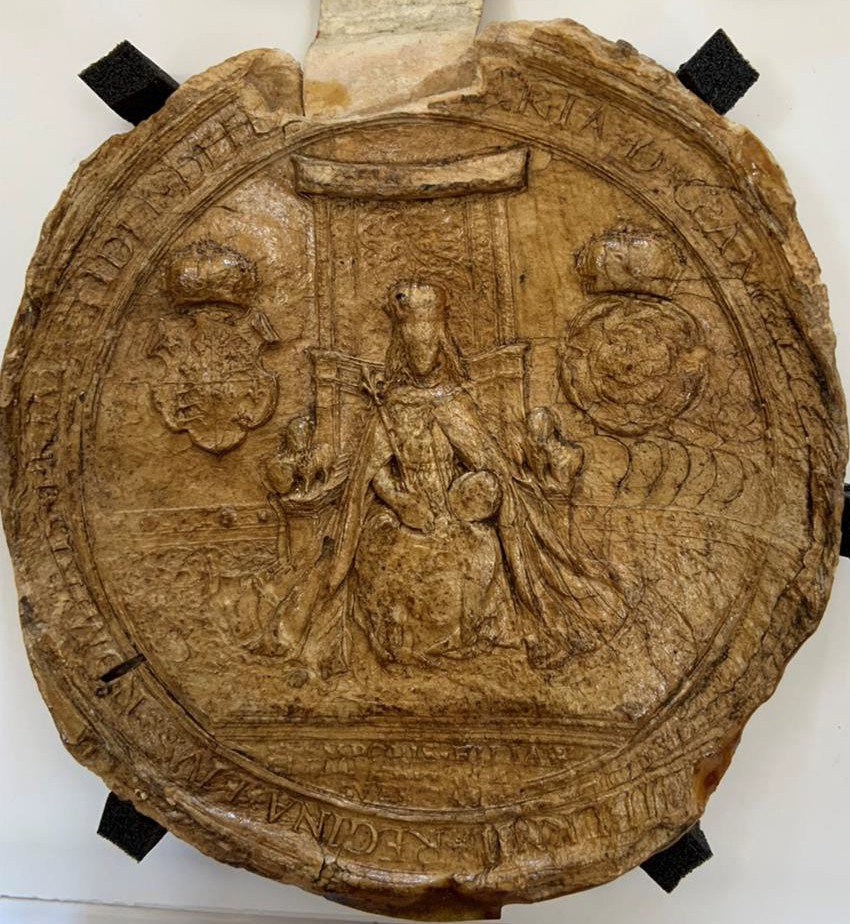
For Mary, the Seal symbolised her authority when a signature was not attached. The word seal comes from the Latin Sigilla which derives from signum to mean a mark or sign.
‘It is considered the emblem of sovereignty, the clavis regni, the only instrument by which on solemn occasions the will of the sovereign can be expressed. Absolute faith is universally given to every document purporting to be under the Great Seal, as having been duly sealed with it by the authority of the Sovereign.’- J.L. Campbell
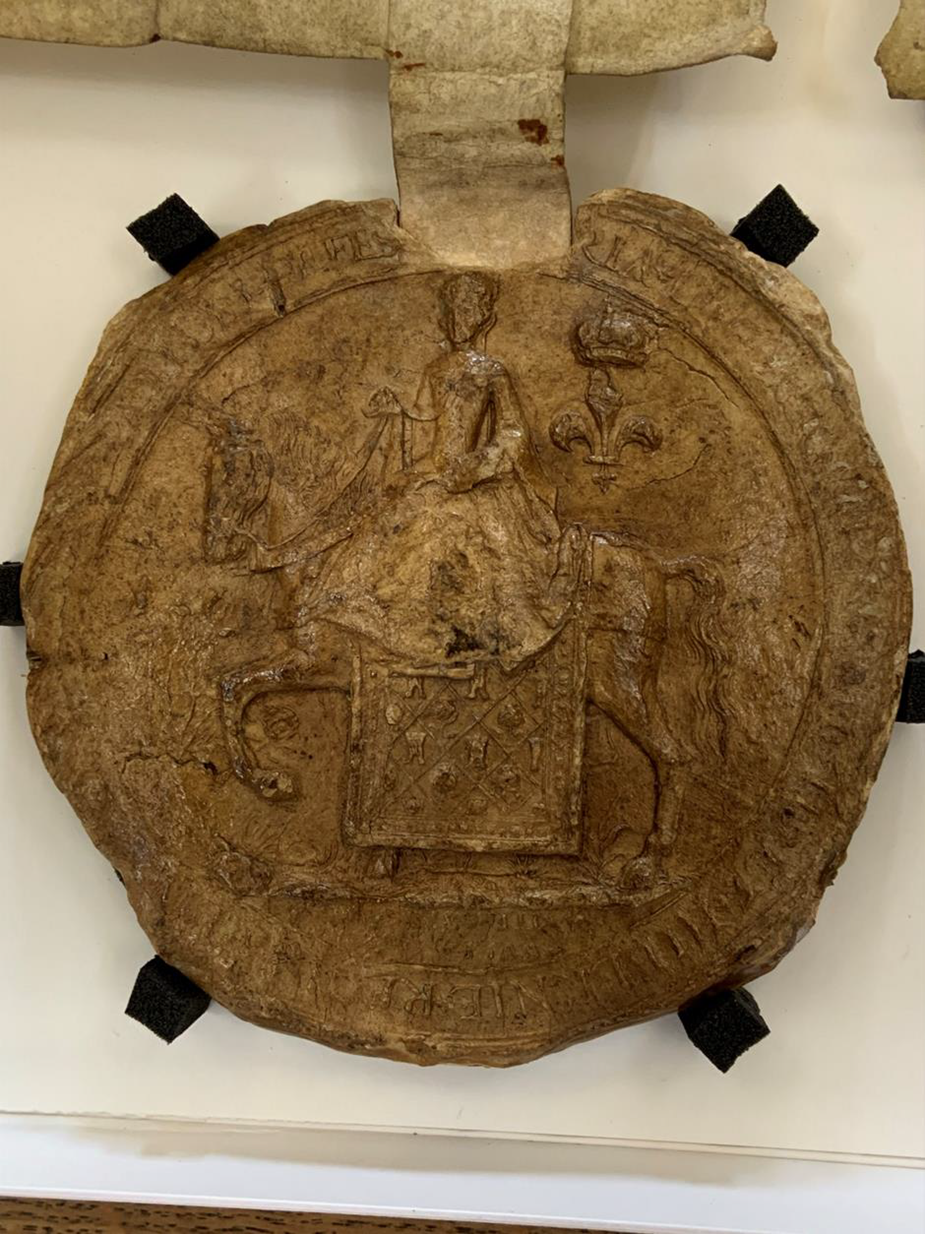
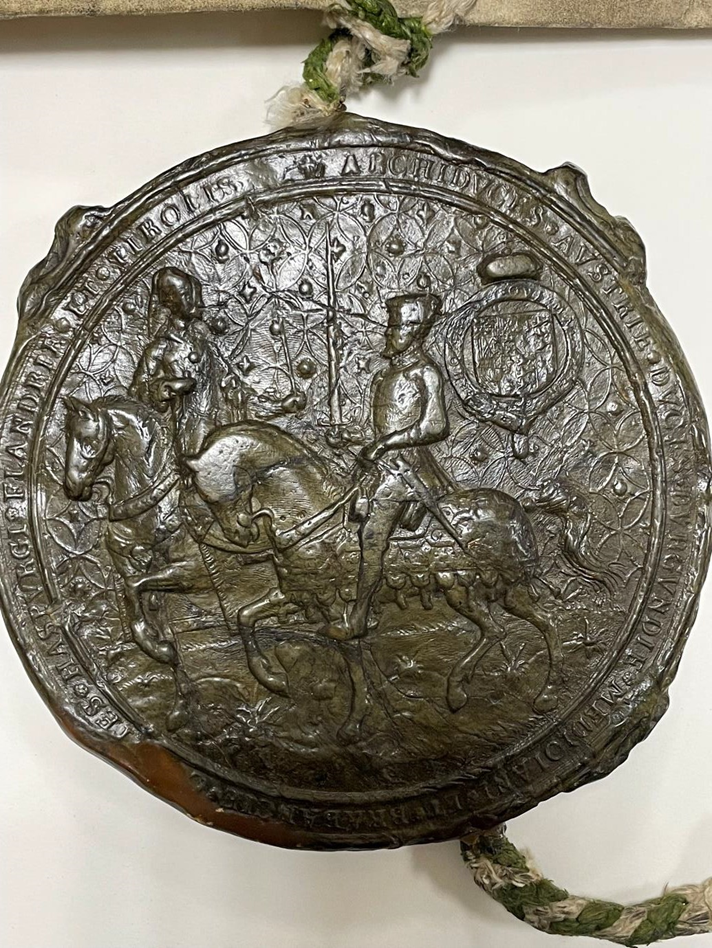
Many courts held a seal which depicted the monarch. These include the Great Seal, the Seal for the Common Pleas, Seal of Exchequer and Seal of the Court of First Fruits and Tenths.
Great Seal

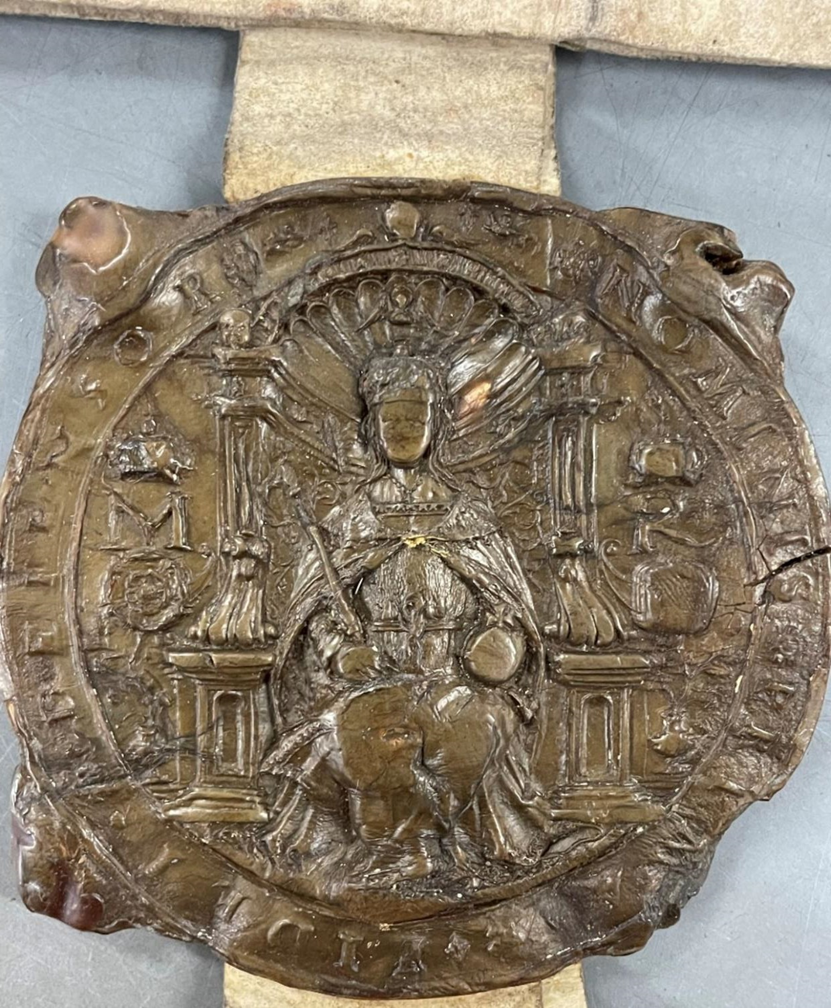
Deputed Great Seal
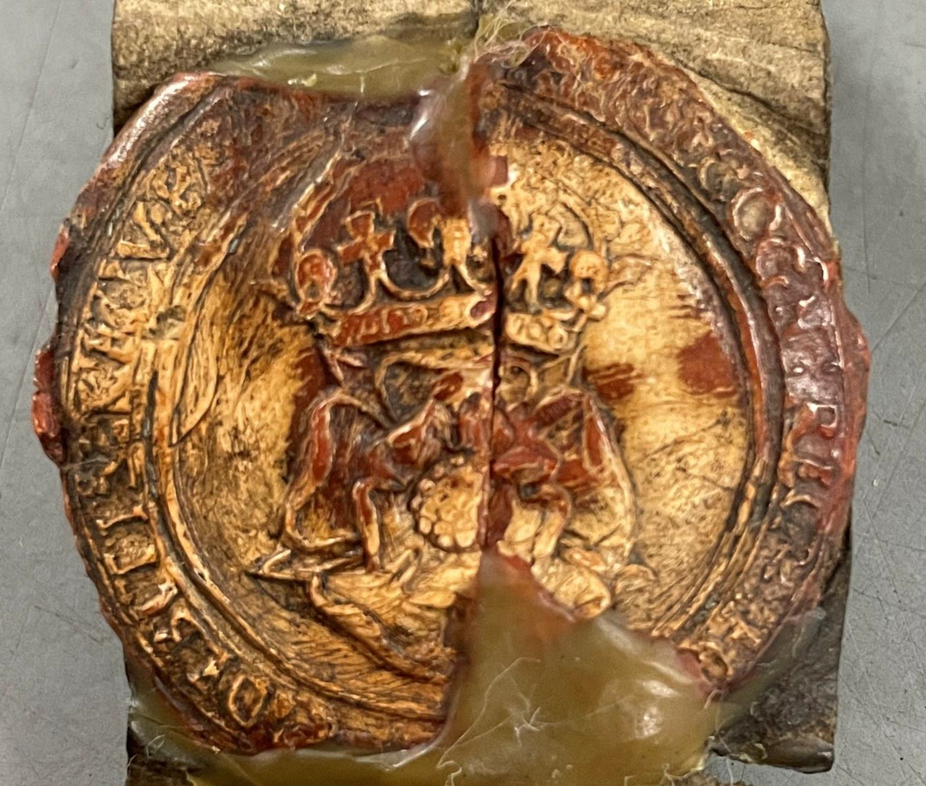
This seal was used to authenticate documents which had been, or would be, authenticated by the Great Seal of England. The seal was placed onto red wax. The crowned Tudor rose accompanied with Mary’s cypher denotes her legitimacy.


Common Pleas Seal
The Court of Common Pleas dealt with as the name suggests Common law. The Court was established under Henry II and gained a chief justice in 1272. The main business included hearing cases of civil disputes between individuals, property, and money. The seal was also used in the Court of Wards, Deeds and Liveries.

Exchequer
The court had little jurisdiction since its main concerns were royal revenue. Its business involved disputes over titles of land, manorial rights etc fell to the chief baron and barons. Though it was a system of collecting revenue, it had become out-dated and cumbersome by the sixteenth century.


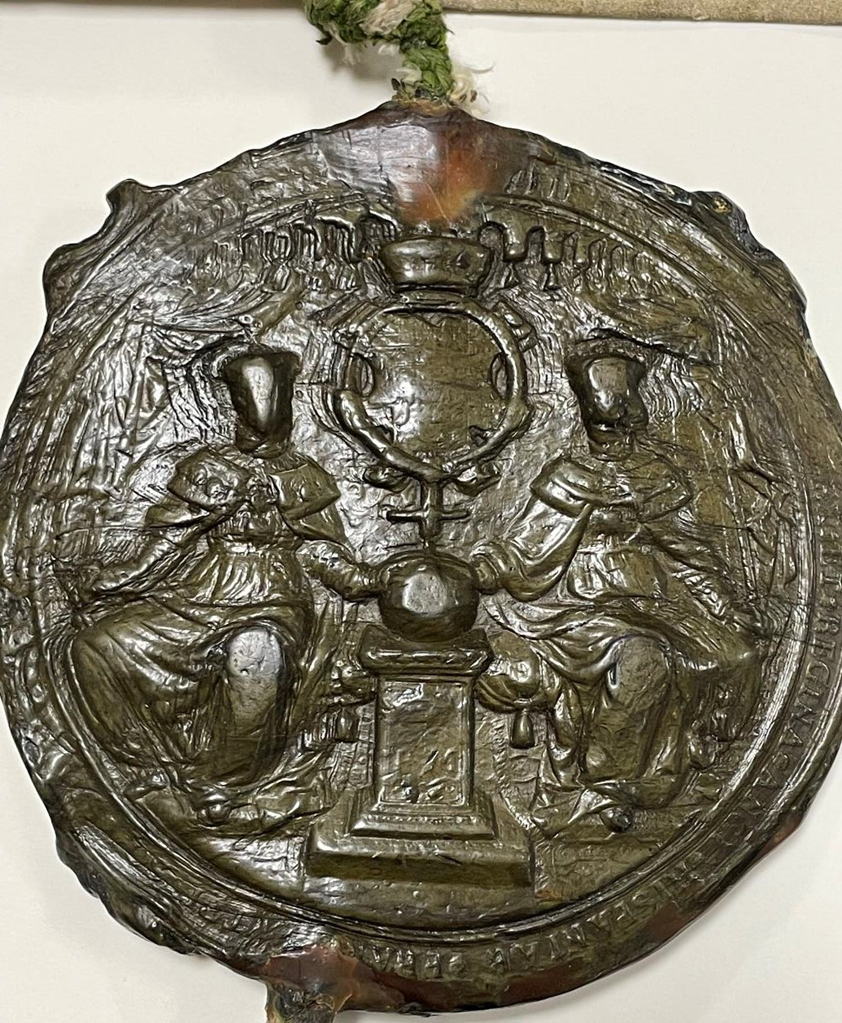
Court of First Fruits and Tenths.
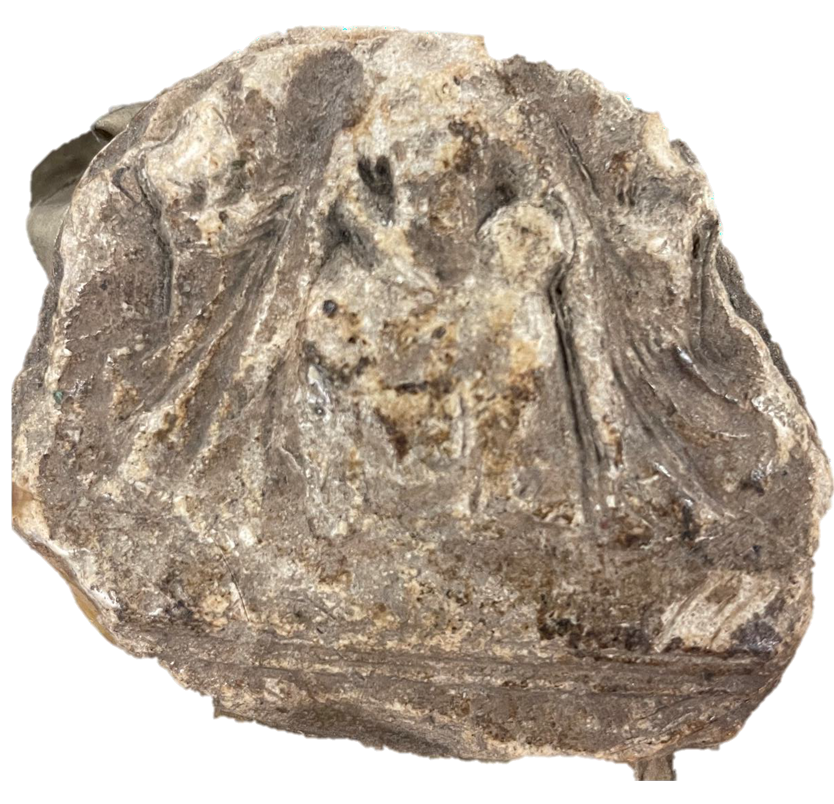
The Court of First Fruits and Tenths was established in 1540 to collect from the clerical estate which had previously been sent to Rome.
The court was annexed to the Exchequer by letters patent on 24th January 1554. This seal was attached to the said patent.
Signet Seal
The Queen had a private or Privy Seal for a more personal use. By 1312 this was no longer in the monarch’s control but stayed in the new Privy Seal office. However, the monarch still needed a private seal of their own, hence the new secret seal or Signet was created.
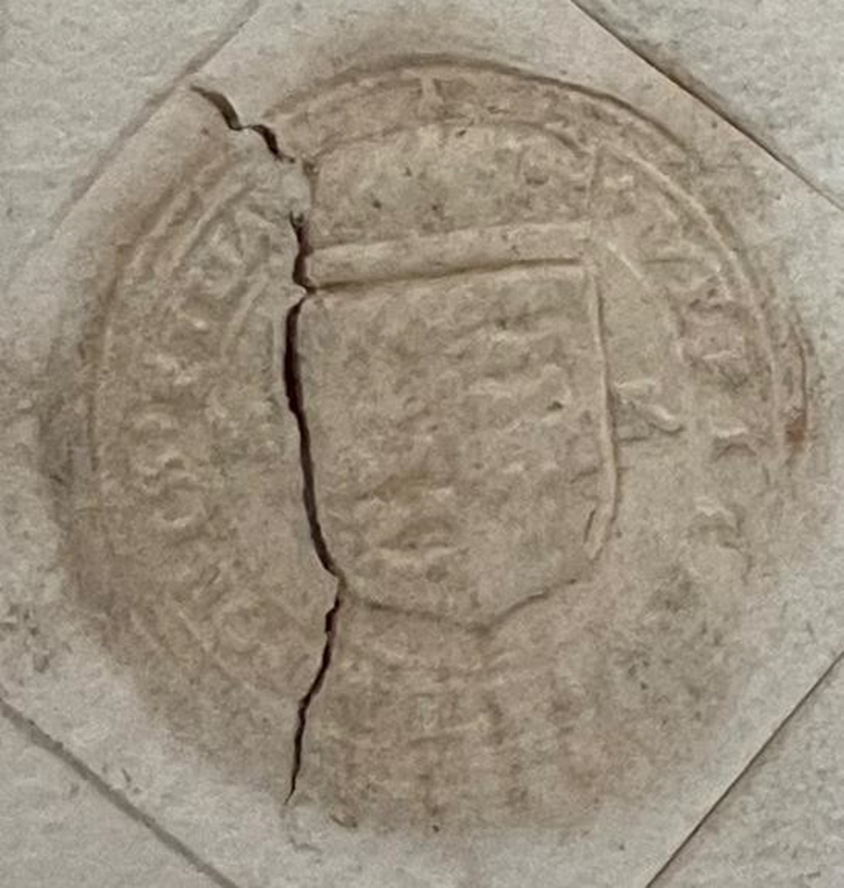
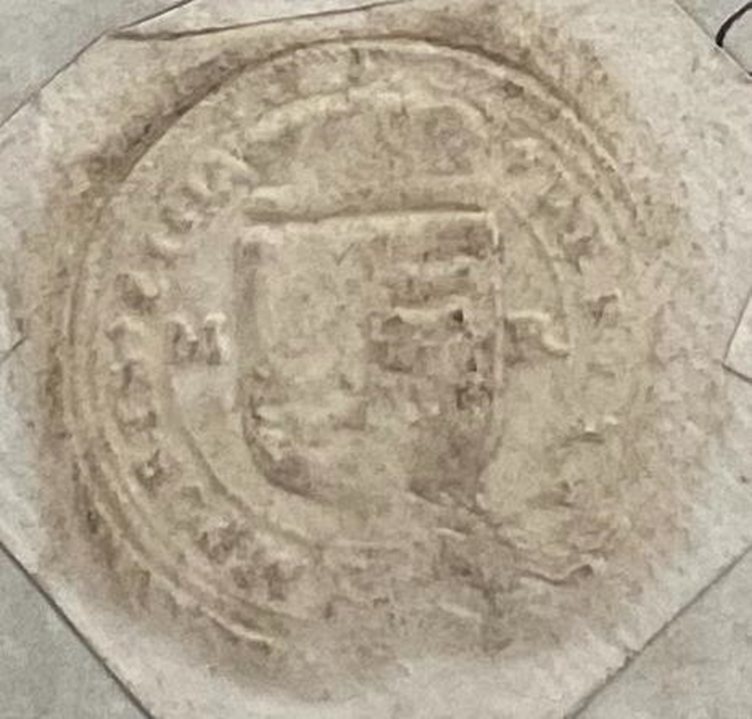
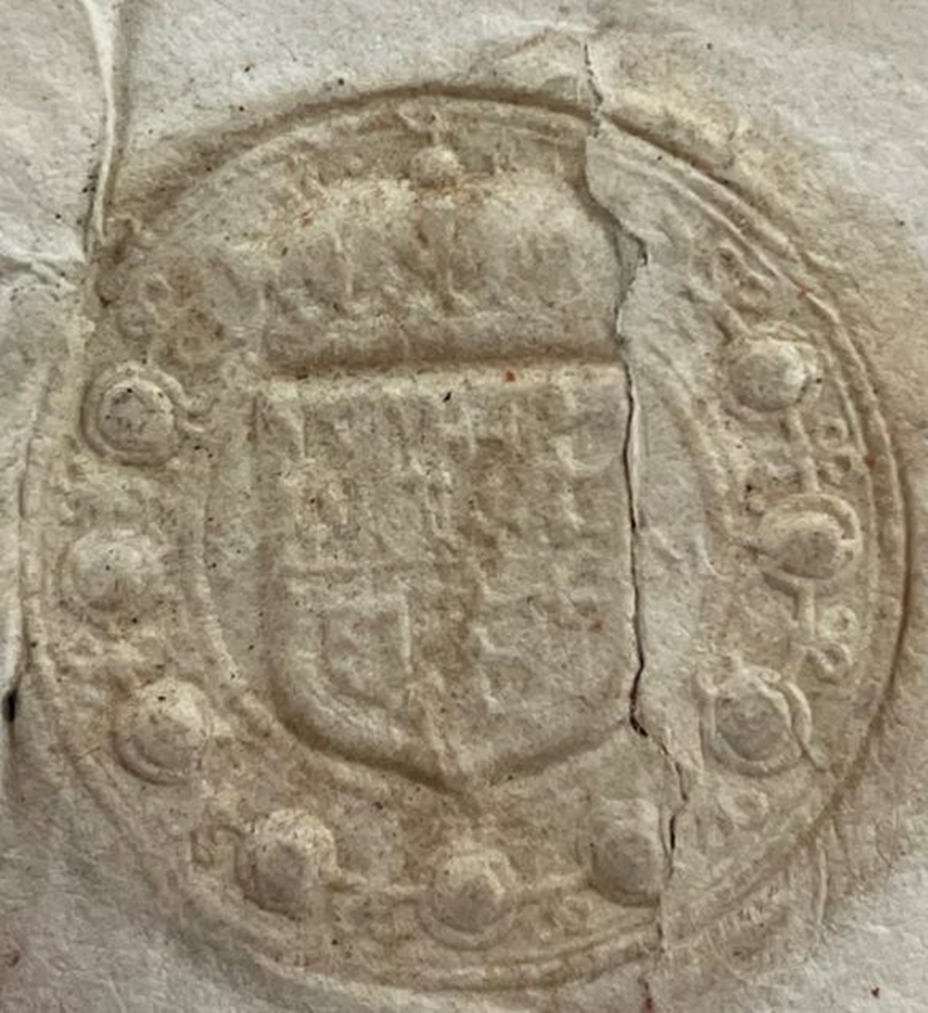
Pro Debitis Recuperandis Seal
This seal was attached to letters patent issued by the sovereign for the recovery of debts due to them.
 Royal Iconography